Hydroxytyrosol
The most studied phenolic in olive oil, and the compound EU regulators chose as the analytical marker when they assessed the category. Also the reason refined olive oil is a different product from extra virgin.

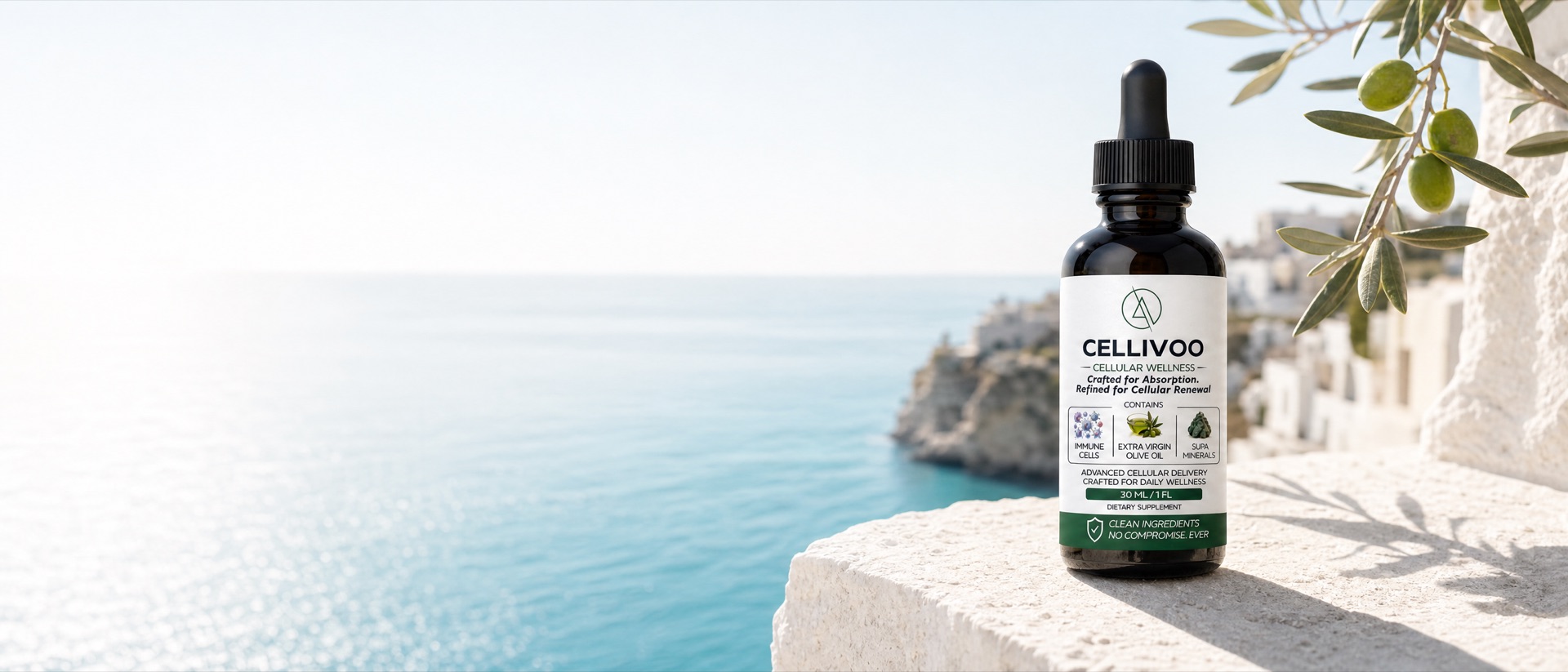
Sparassis crispa · Extra virgin olive oil · 19 ocean elements
Almost nothing else in nature comes close, and most mushroom supplements on the shelf do not contain a fifth of it. Here is exactly what is in this bottle, and exactly what has been studied.
30 serves per bottleThird party lab testedMade in Australia1 mL daily
This is the evidence page. The story of Cellivoo is here — what it is for, and who it is for. Everything below is the working: the testing, the figures, the full elemental assay and the studies, graded as they stand.
Every compound identified in these three ingredients. Every element the assay found, including the eleven with no known nutritional role. Every study, labelled with whether it was run in people, in animals, or in a dish.
Including the studies that do not say what a supplement company would like them to say. Read it, then go and check our work. Every reference checks out.
Nine hundred milligrams, per millilitre
Sparassis crispa extractExtra virgin olive oilOcean trace minerals
Before anything else
This is the single most useful thing you can learn before buying any mushroom product, and it is why the number on the front of this bottle is a beta glucan figure and not a polysaccharide figure.
Mushroom mycelium is cheap and fast to grow on a bed of sterilised grain. It is also nearly impossible to separate from that grain afterwards. So the grain is milled in with it, and what reaches the capsule is largely starch.
Starch is a polysaccharide. So a label can print a large, true sounding polysaccharide percentage that is mostly the grain the mushroom was grown on.
Beta glucan is the fungal compound. Alpha glucan is the starch. In 2016 the Journal of AOAC International published a validated method that separates the two by measuring total glucan, then measuring alpha glucan specifically, and taking the difference.
Once you can separate them, the picture changes completely. Across approximately 100 mushroom and mycelium samples, published testing found beta glucan in commercial mycelium-on-grain products at approximately 10% or less, and in some cases as little as 1%. Those same products averaged 35 to 40% starch. Whole mushrooms carry less than 3%.
The category default
Sparassis crispa fruiting body
Comparison figures for mycelium-on-grain products are from Chilton, Redefining Medicinal Mushrooms (2015), an analysis of approximately 100 mushroom and mycelium samples. They are not from testing of any named competitor. Quality fruiting body extracts are generally reported in the 25 to 40% beta glucan range. The review of Sparassis crispa describes a top-of-range figure above 40% in raw dried fruiting body; 43.6% in the material used here is consistent with a concentrated whole-fruiting-body preparation, but does not prove a large concentration effect. Method: McCleary and Draga, J AOAC Int, 2016.
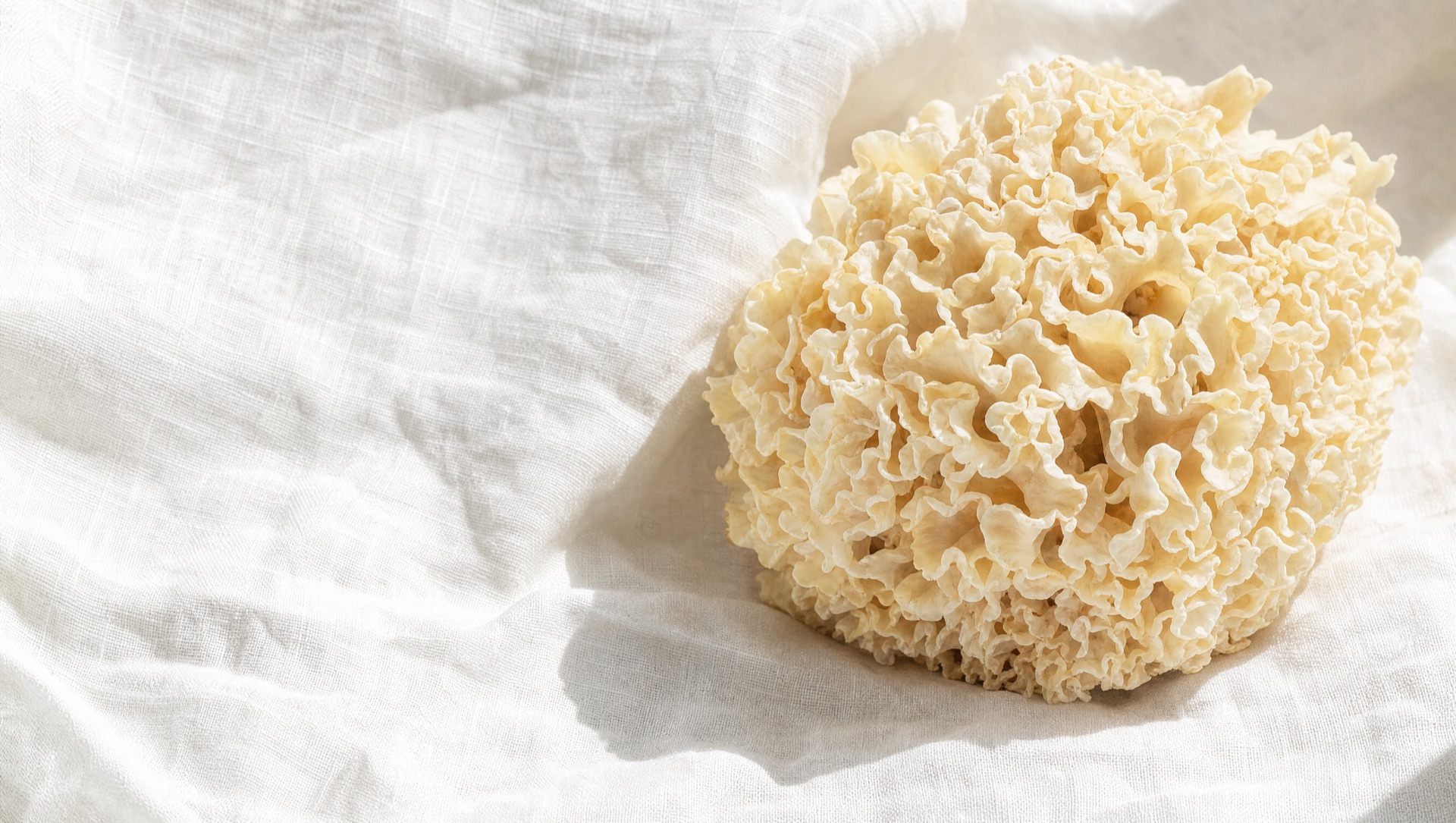
Ingredient one · 400 mg per serve
Sparassis crispa. Hanabiratake in Japan, where it is prized and notoriously difficult to farm. It grows at the base of conifers, it looks like a sea sponge made of pasta, and it is a notably beta-glucan-rich mushroom.
43.6%beta glucan, ingredient testing of the material used in Cellivoo
Published review work reports a top-of-range figure above 40% beta glucan by dry weight of the raw fruiting body, measured by enzyme method. The material in this bottle tests at 43.6%, which is only modestly higher and should not be presented as proof of dramatic concentration.
At 400 mg of extract per serve, that is roughly 174 mg of beta glucan in a single millilitre, once a day.
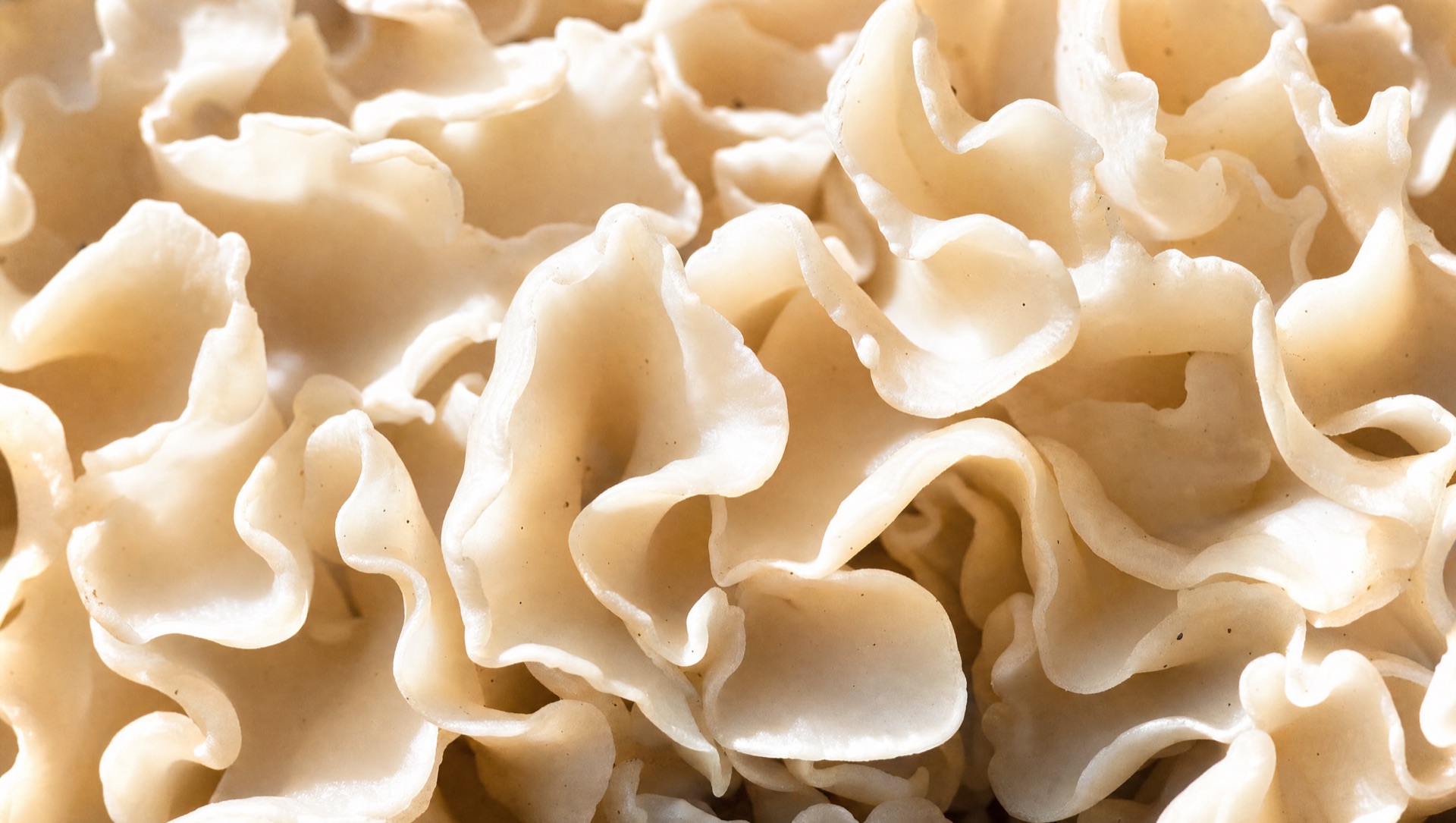
What beta glucan actually is
Beta glucans are chains of glucose. What matters is how the chains are joined. Mushroom beta glucan is a 1,3 backbone with 1,6 branches, which gives it a distinctive branched shape.
Cereal beta glucan, the kind in oats and barley, is 1,3 and 1,4. Different molecule, different literature. The two are constantly treated as interchangeable and they are not, so nothing you have read about oat beta glucan transfers to this.
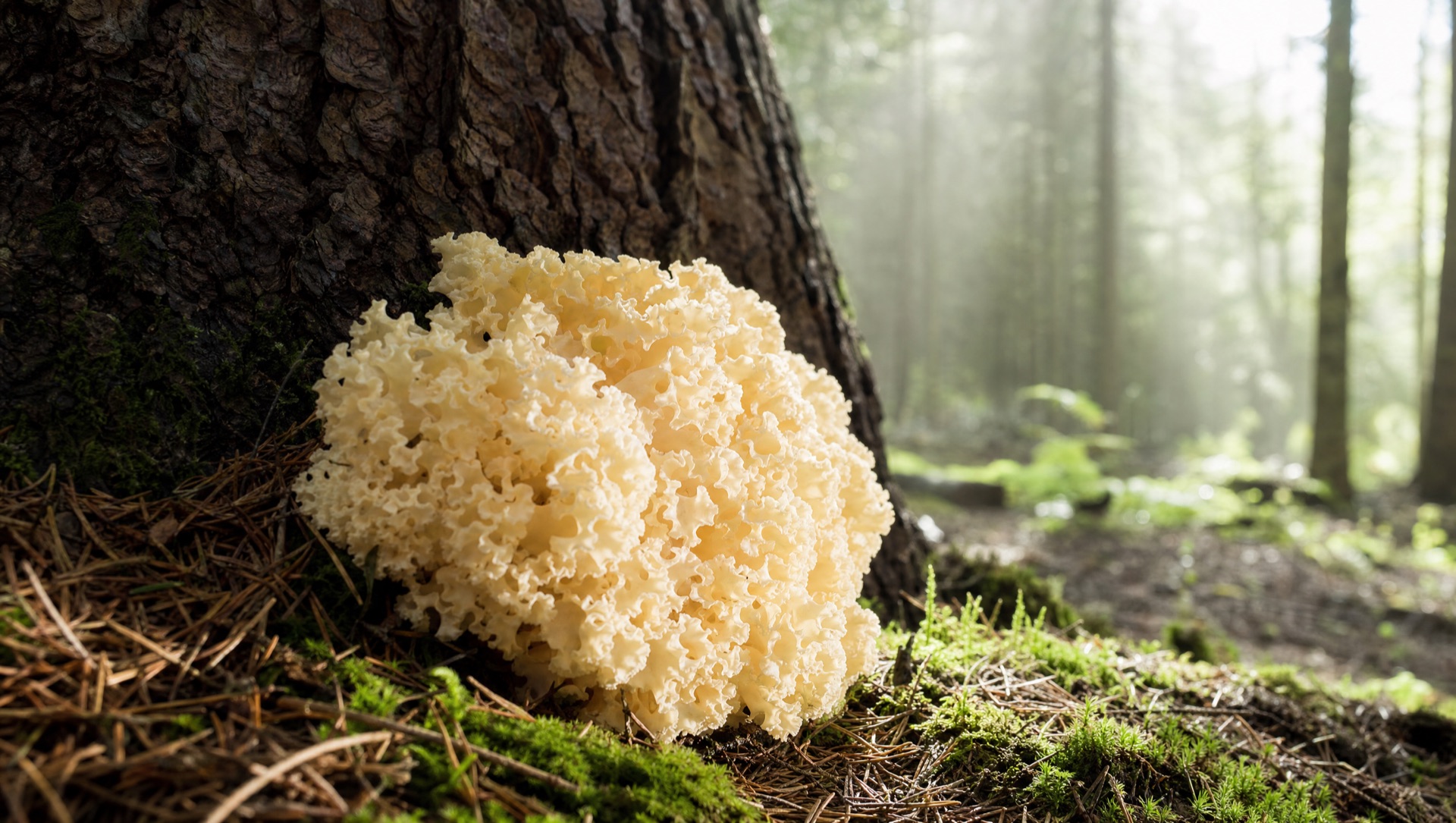
Where it grows
It is seasonal, uncommon, and slow and technical to cultivate compared with the species that dominate the supplement aisle.
That difficulty is the whole reason it is rare on shelves, and the reason most brands reach for something easier to grow on grain.
Beyond the beta glucan
The genome of the species was sequenced and published in 2018, and proteomic work has catalogued 115 distinct proteins. The table below is what published review work reports in the fruiting body.
| Compound | What it is | Reported level |
|---|---|---|
| Beta glucanCalled sparan in the literature | Branched 1,3 / 1,6 polysaccharide, the principal constituent | More than 40% by dry weight |
| Vitamin D2 | Ergocalciferol, reported at a level higher than in other mushrooms | 0.17 mg / 100 g |
| p-Hydroxybenzoic acid | The quantitatively predominant antioxidant compound identified | 43.92 mg / 100 g |
| Glucosylceramide | A sphingolipid | ~0.2% |
| Sparassol | A benzoate derivative, named after the genus | present |
| Ergosterol, ubiquinone-9 | Sterol and quinone fractions | present |
| Glutamine, asparagine | The two most abundant amino acids, in that order | Not quantified |
| Potassiumwith phosphorus and sodium | The dominant minerals in the fruiting body itself | high |
| Vitamin E, vitamin C | Reported as present in high amounts in review work | high |
| 115 distinct proteins | Catalogued in proteomic work on the species | 115 |
The star of the show
Where it grows and why it is so hard to farm. What the genome revealed. Every compound identified in it. The full state of the research, graded honestly, including what has never been tested in people.
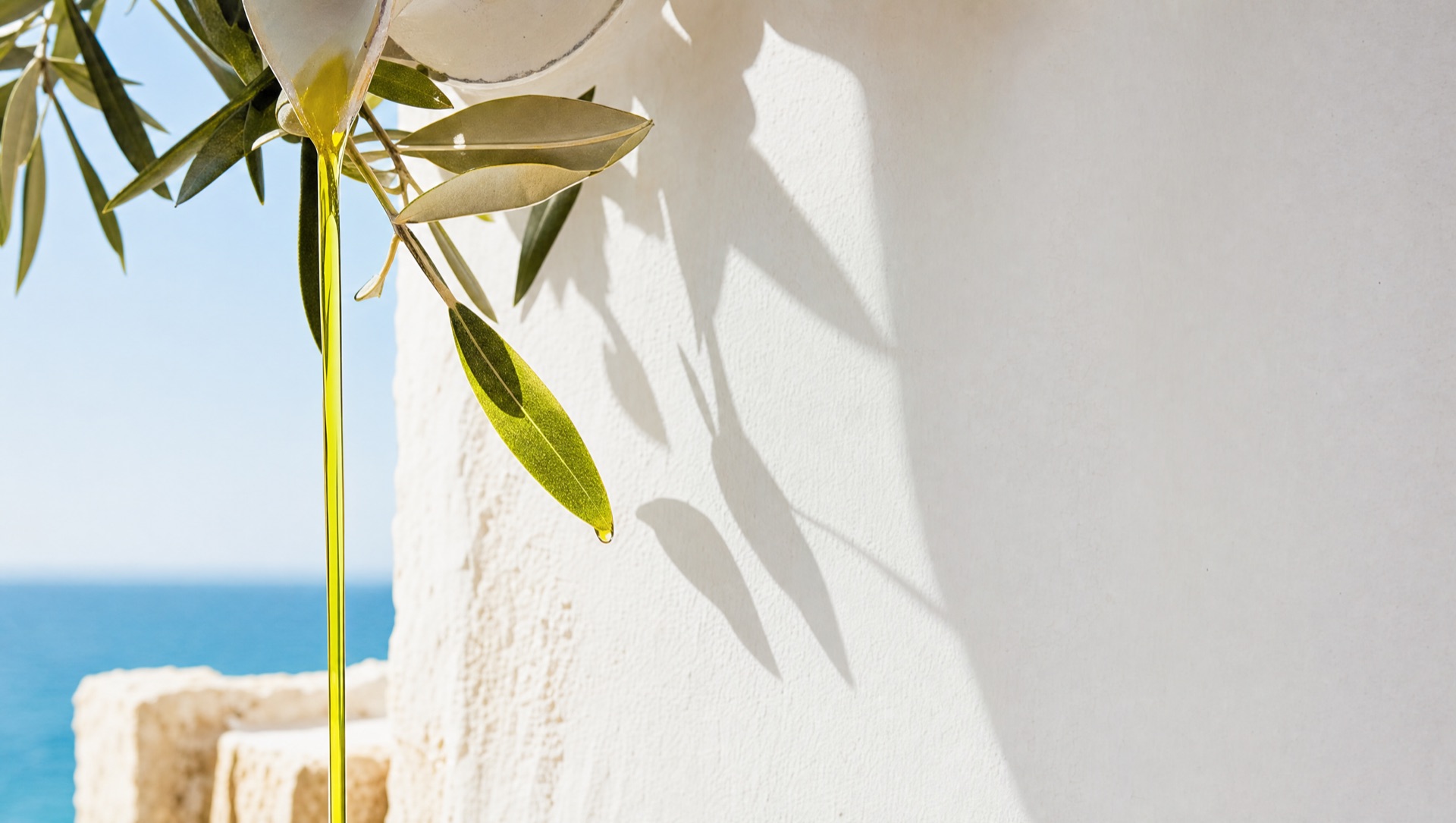
Ingredient two · 300 mg per serve
Not a filler, and not a token gesture toward a claimed place of origin. It is in here because of what it does for the oil's own phenolic fraction.
Why an emulsion and not a powder
Many interesting compounds in plants are lipophilic. They dissolve in fat, not water. The oil is here to carry the olive oil's own phenolic fraction; that argument does not extend to beta glucan, which is a water-soluble polysaccharide.
Published absorption work in healthy adults shows olive phenolics are absorbed after ingestion, with evidence that an oil matrix can improve uptake. That is the argument for the olive oil component, not proof that a sublingual format improves beta-glucan absorption.
The olive oil is the vehicle for the oil's own compounds. That is a real job, and it is the only job we are claiming for it.
The phenolic fraction
The most studied phenolic in olive oil, and the compound EU regulators chose as the analytical marker when they assessed the category. Also the reason refined olive oil is a different product from extra virgin.
The bitter compound in the olive itself, studied in vitro for its interaction with lipoxygenase. It is what makes a fresh oil taste green and sharp rather than smooth and flat.
Responsible for the peppery catch at the back of the throat in a good oil, and investigated in laboratory work for COX-1 and COX-2 activity. If an oil does not make you cough slightly, it is low in this.
A simple phenolic alcohol found in olive oil. It is counted together with hydroxytyrosol and its derivatives when a laboratory measures the fraction regulators care about.
A secoiridoid that appears alongside oleocanthal and tracks with how fresh and how unrefined the oil is.
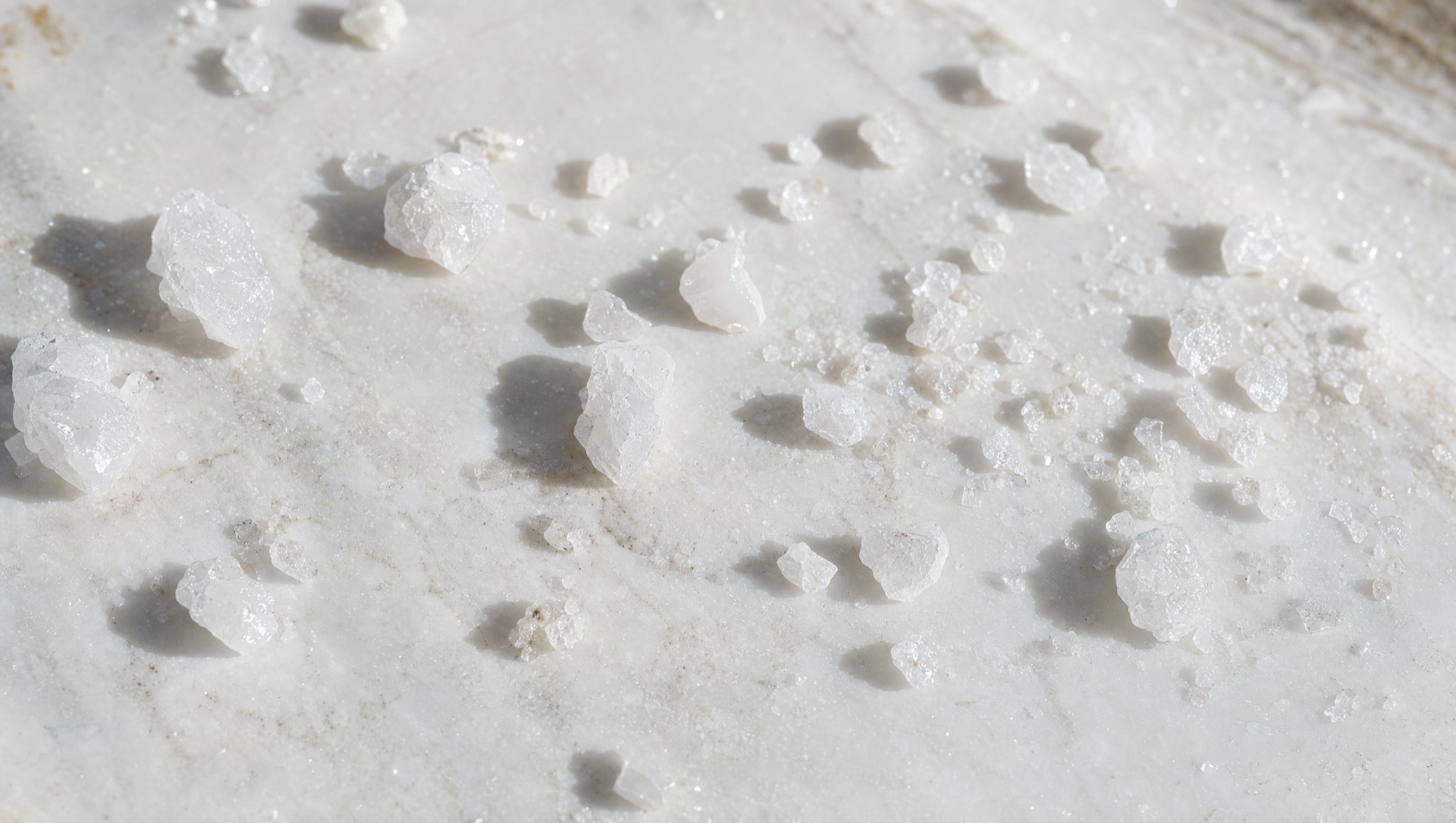
Ingredient three · 200 mg per serve
Reduced from deep seawater, carrying the elemental profile of the ocean in its natural ionic ratios. We had it assayed, and we publish the whole result.
The full elemental analysis
The profile below contains only the 21 minerals supplied in the assay table. Values are shown exactly as provided in milligrams per kilogram and as percentage by weight.
Magnesium 25,000 mg/kg5.7 orders of magnitudeCobalt 0.05 mg/kg
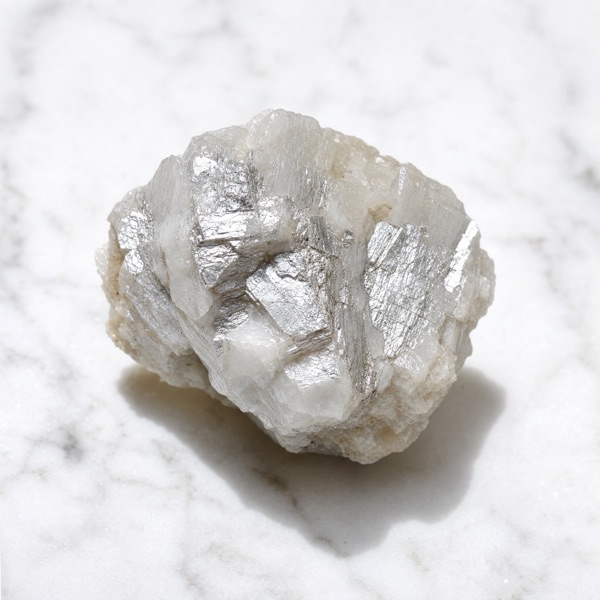
Magnesium
25,000 mg/kg · 2.5000%
Assayed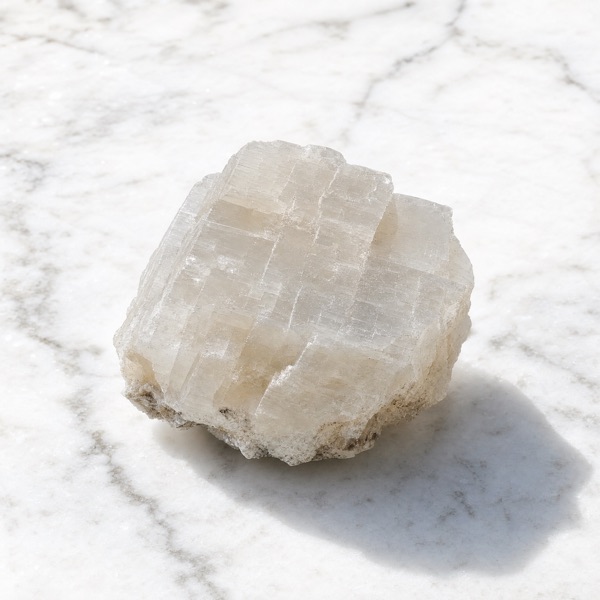
Calcium
11,000 mg/kg · 1.1000%
AssayedCobalt
0.05 mg/kg · 0.000005%
Assayed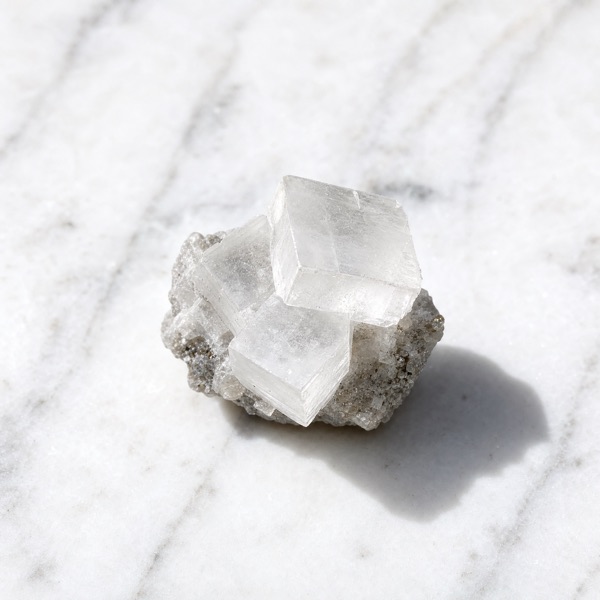
Sodium
81 mg/kg · 0.0081%
Assayed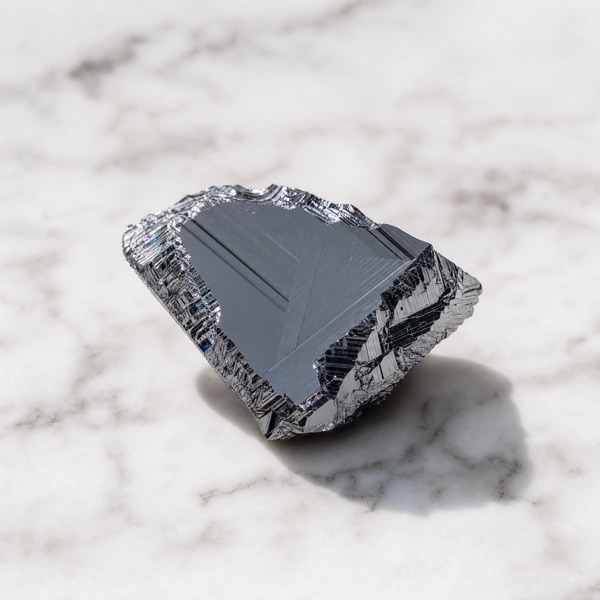
Silicon
465.35 mg/kg · 0.046535%
Assayed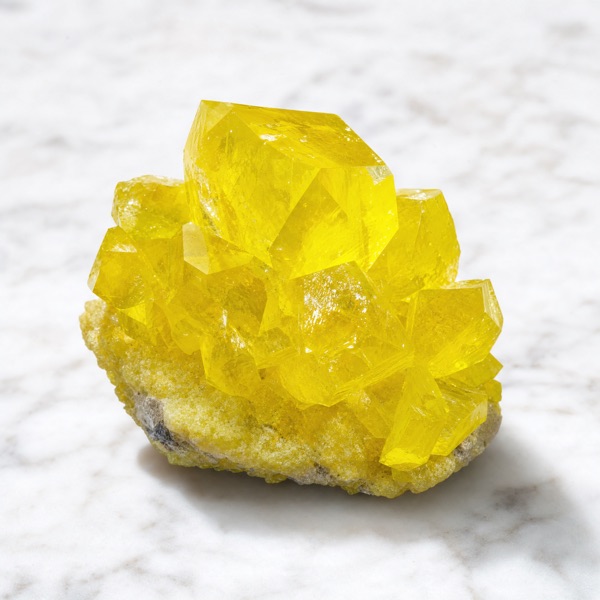
Sulphur
350 mg/kg · 0.0350%
Assayed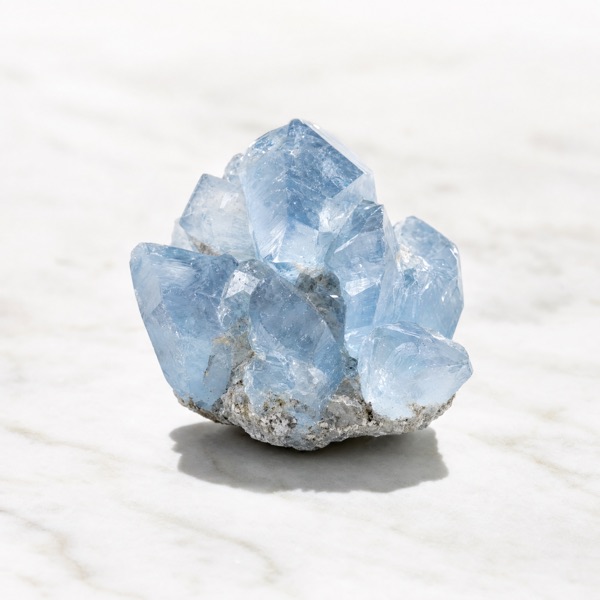
Strontium
25.8 mg/kg · 0.00258%
Assayed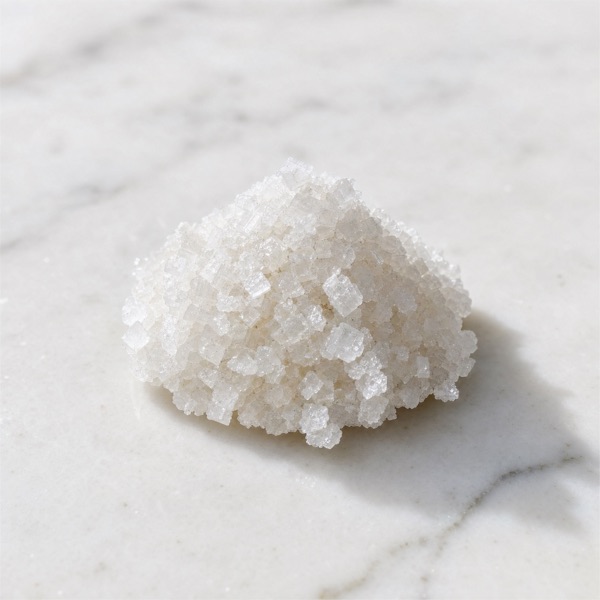
Potassium
750 mg/kg · 0.0750%
Assayed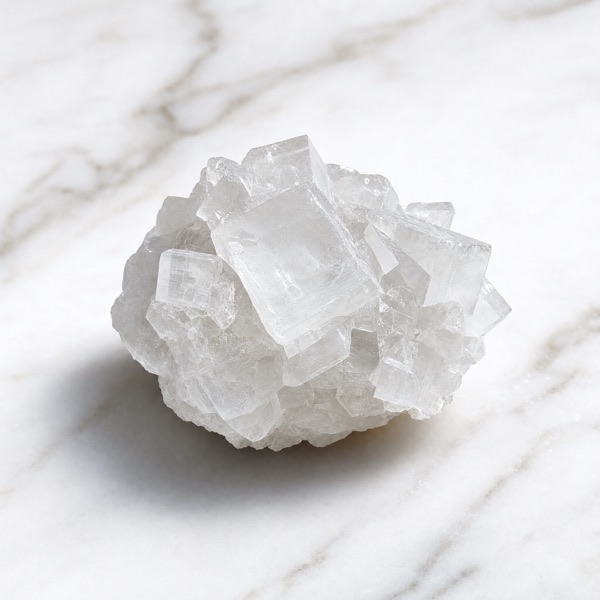
Boron
9.1 mg/kg · 0.00091%
Assayed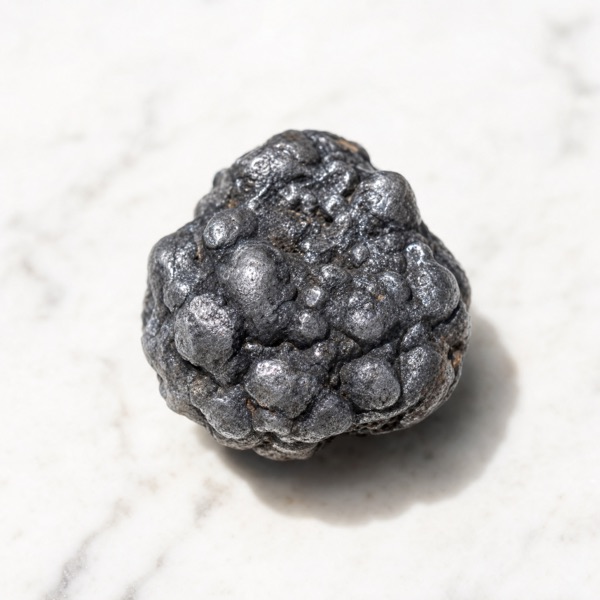
Manganese
6.7–7.1 mg/kg · 0.00067–0.00071%
Assayed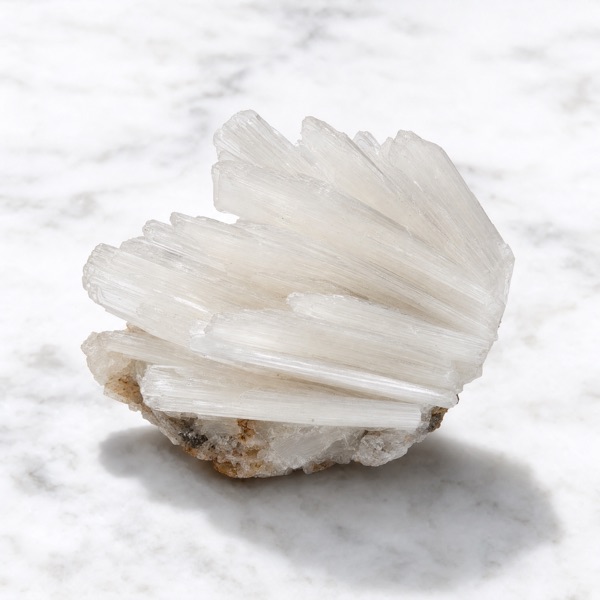
Barium
0.97 mg/kg · 0.000097%
Assayed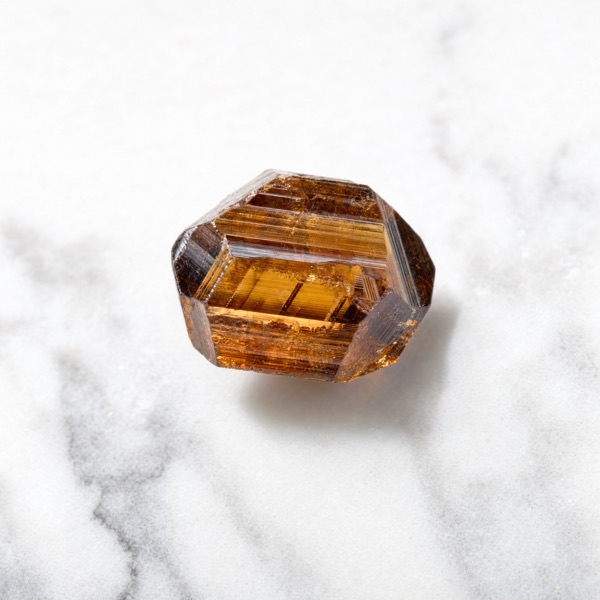
Zirconium
2.46 mg/kg · 0.000246%
Assayed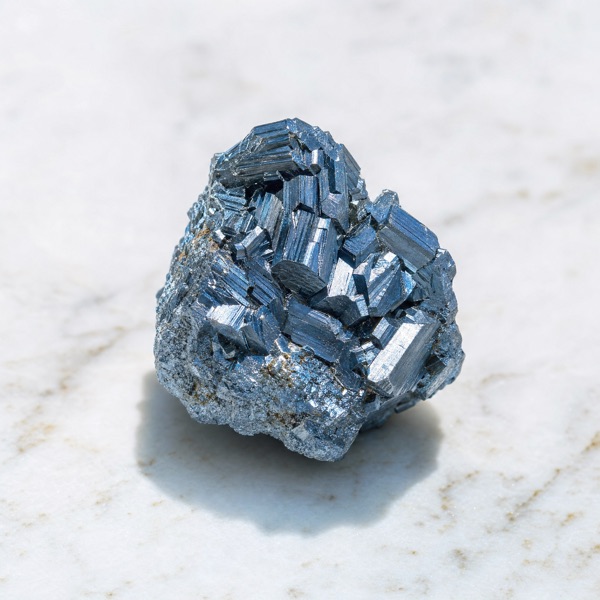
Zinc
3.4–3.7 mg/kg · 0.00034–0.00037%
Assayed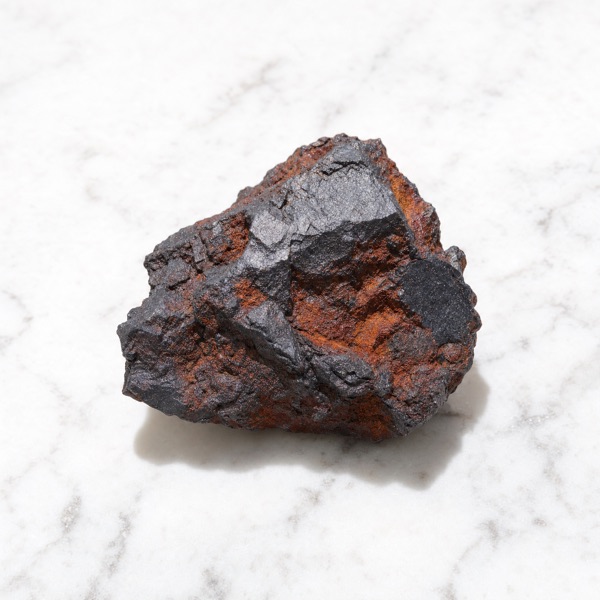
Iron
10–11 mg/kg · 0.0010–0.0011%
AssayedVanadium
0.10 mg/kg · 0.000010%
AssayedTitanium
0.26 mg/kg · 0.000026%
Assayed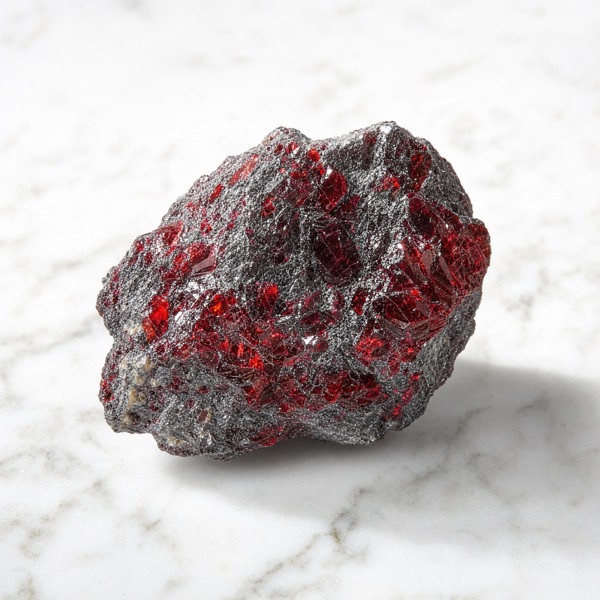
Selenium
0.34 mg/kg · 0.000034%
Assayed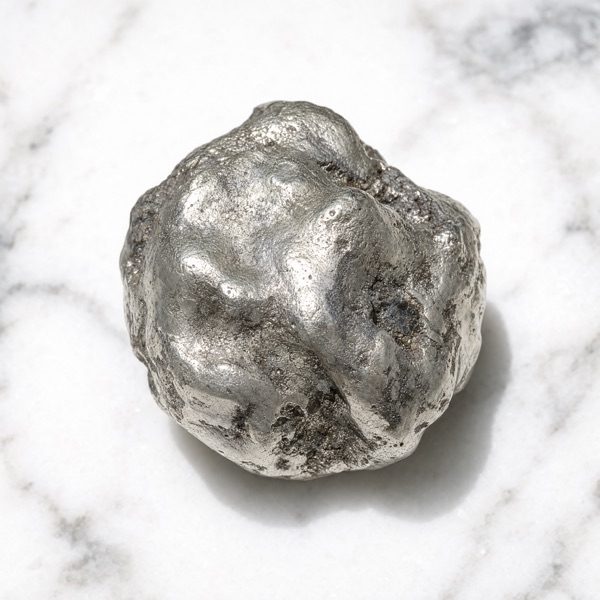
Nickel
0.2 mg/kg · 0.000020%
Assayed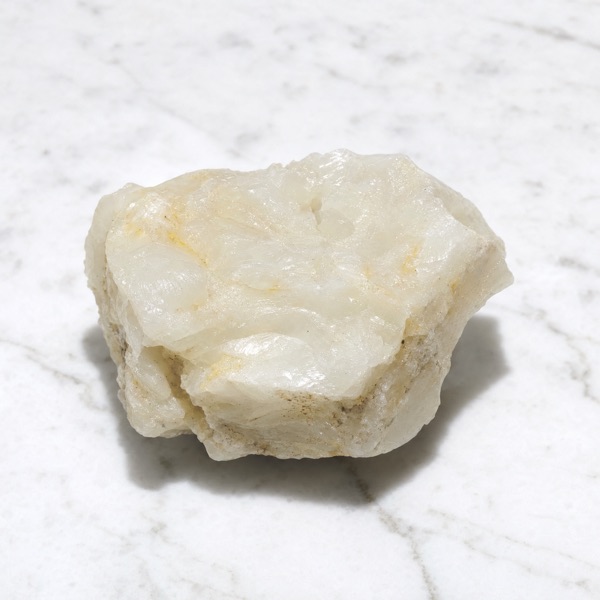
Phosphorus
340 mg/kg · 0.0340%
Assayed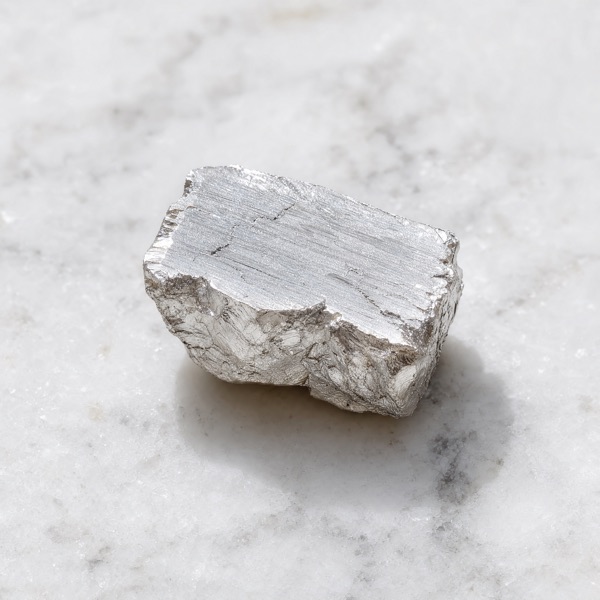
Lithium
<0.25 mg/kg · <0.000025%
Assayed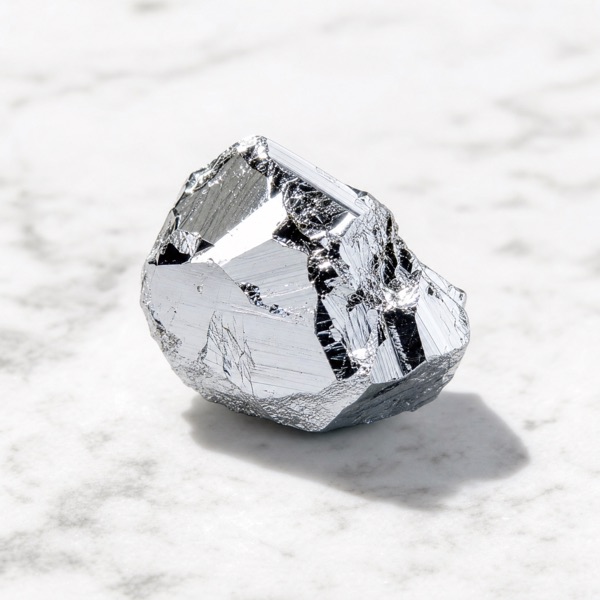
Chromium
0.25 mg/kg · 0.000025%
AssayedAmounts shown are milligrams per kilogram, followed by percentage by weight. The supplied values are reproduced as given, including ranges and the lithium less-than qualifier. Specimen images are representative of each mineral, not photographs of the concentrate.
This is an assay profile, not a nutrition claim. The table reports concentration by mass and does not imply that any mineral is supplied at a recommended intake.
The reading list
Every source behind this page, with the kind of evidence each one is stated on its face. It is the published literature on the things inside it.
Medicinal, nutritional and nutraceutical potential of Sparassis crispa: a review. Composition, beta glucan content, vitamin D2, phenolics, proteins.
Composition reviewMeasurement of beta glucan in mushrooms and mycelial products. McCleary and Draga, J AOAC Int, 99(2), 2016. The validated method that separates beta glucan from starch.
Validated methodRedefining Medicinal Mushrooms. Chilton, 2015. Approximately 100 mushroom and mycelium samples analysed, mushrooms against commercial mycelium-on-grain products. The source for every comparison figure on this page.
Product analysisNatural products and biological activity of the cauliflower mushroom Sparassis crispa. Identified compounds including sparassol and ergosterol fractions.
Composition reviewGenome sequence of the cauliflower mushroom Sparassis crispa. Scientific Reports, 2018.
GenomeEffects of Sparassis crispa in medical therapeutics: systematic review and meta-analysis. A paper that calls itself a meta-analysis of 33 randomised controlled trials; all were in animals or cell culture, none in humans. Listed for completeness, not as support.
Animal / in vitroExtra virgin olive oil phenolic compounds: a narrative review. Hydroxytyrosol, oleuropein, oleocanthal, oleacein. Nutrients, 2025.
ReviewOlive phenolics are absorbed by healthy adults: Bonanome et al., 2000; Miro-Casas et al., 2003; and Jordan, Nutrients, 2025.
Human absorptionInterim full elemental assay of the mineral concentrate. Agrifood Technology, Interim Analysis Report SZX128, 21 August 2026, sample B26-0107856. This is a lab report, not a finished-product retest.
Lab reportQuestions worth asking
Check the label. If it says polysaccharides rather than beta glucan, or if it lists mycelium without saying the grain was removed, a large part of what you are taking is starch. Published testing of commercial mycelium-on-grain products found beta glucan at approximately 10% or less, some as low as 1%, and an average of 35 to 40% starch. This is fruiting body extract tested at 43.6% beta glucan.
Because it is a genuine oil and water emulsion rather than a solution held together indefinitely by a stabiliser. Shake it before use. Separation tells you the emulsion is not permanently stabilised; it does not authenticate the contents or establish that other products use a particular ingredient.
They are the supplied assay concentrations in milligrams per kilogram, with the matching percentage by weight. They describe the profile; they do not establish a recommended intake or a therapeutic dose.
Yes. Cellivoo comes with a 14-day money-back guarantee.
We want you to feel confident trying Cellivoo, which is why we also publish clear information about what is in the bottle, including the measurable product information available to us.
If you decide Cellivoo is not right for you, you can request a refund within 14 days in accordance with our refund terms.
This guarantee is in addition to your rights under the Australian Consumer Law.
You have read the working
More energy for the people you love. More clarity for the decisions you make. More resilience for the years ahead.
Cellivoo is presented as a food product, not a TGA-listed therapeutic good. This page is informational, not medical advice; speak with a qualified health professional about your circumstances.